
The latest need-to-know in fashion isn’t this seasons prettiest colour way or a must-have style – it’s ethically made, sustainable products, and how to change our own habits to contribute to a more sustainable future.
Frighteningly, the fashion and textiles industry contributes a massive 10% to global emissions. That’s more than the aviation and shipping industries combined. This figure is calculated from extended supply chains, water waste, hazardous chemicals, and the energy intensive production involved in making the clothes in our wardrobes. And although we are buying more, clothing items are now kept half as long as they were 15 years ago. We have really entered an era of fast fashion.
What’s more, 85% of textiles and waste material end up in landfills, when they could be recycled or reused. Some brands have started using these factory cut-offs and ‘waste’ materials to be recycled and made into new product, which is amazing, and something we’ll touch on in more detail later.
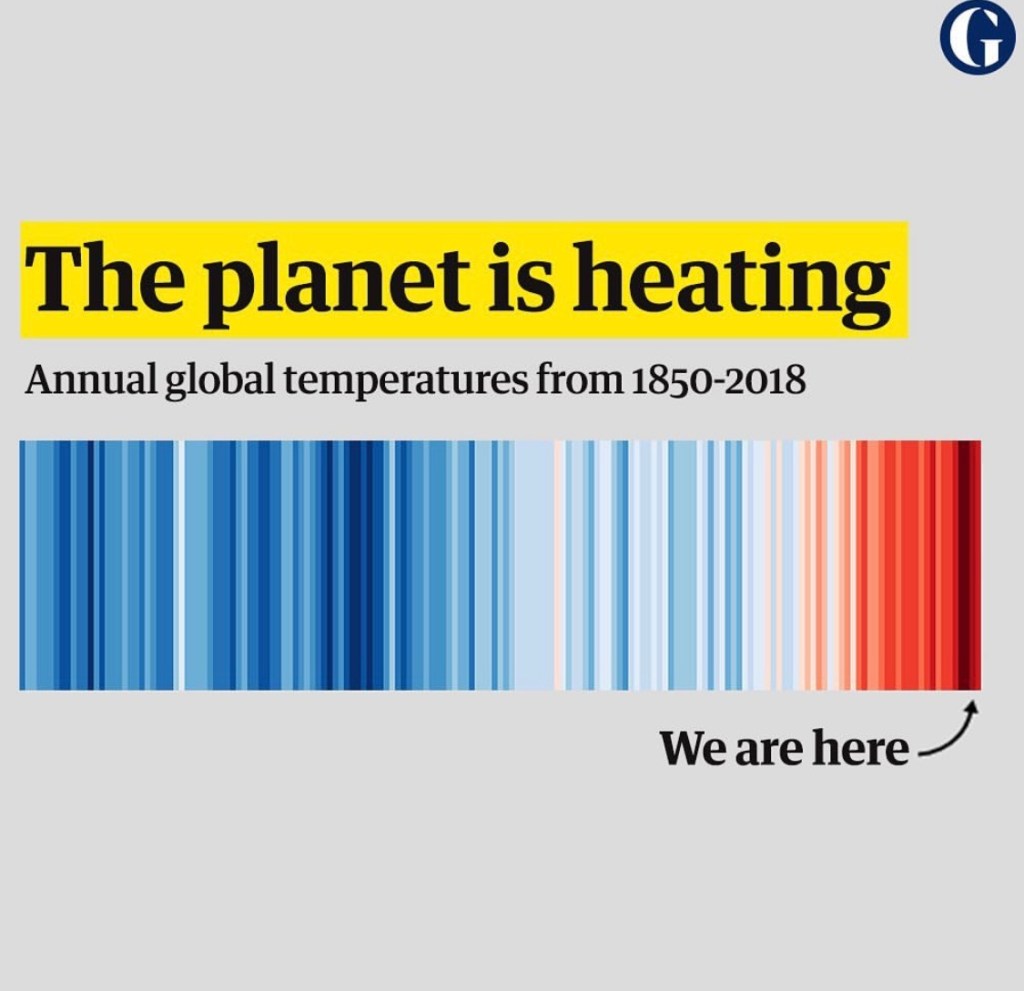
With the likes of Greta Thunberg turning our attention to the environment in the news daily, and the UN Climate Summit last month, there is a steady increase of pressure within the fashion industry in an era that we as consumers are becoming aware of our impact. This is more important that ever, and in an industry like fashion where the mindset can be throwaway – here’s five tips on making your carbon footprint a little lighter.
GET SUSTAINABLE IN FIVE FABULOUS WAYS:
1. Change your perspective
Eco-friendly, ethical, and sustainable clothing doesn’t have to be boring. There are now so many cool and fashion-forward brands out there proving it, and taking neccassary steps to lessen their impact.
Advocate Stella McCartney writes on her website: ‘I don’t think that ‘eco’ should be a word that immediately conjures up images of oatmeal-coloured garments or garments that are oversized or lacking in any sort of luxury or beauty or detailing or desirability. I don’t think that things have to look ugly because they’re organic; why can’t they be beautiful as well? You can’t ask a consumer to compromise. I don’t think you can say, ‘Here is this jacket that looks terrible but it’s organic, and here is a really beautiful jacket that’s cheaper but don’t buy it because it’s not organic’.
With more and more brands backing the movement, you don’t need to compromise. Keep adding to your knowledge of what kinds of things to look for, and what to avoid. This makes it much easier when you’re shopping to make small changes to your habits, which if we all do this, will make big changes
2. Support sustainable, ethical brands! There are more out there than ever. I’ve listed here a few of my favourites below, and why they’re so great:
Veja
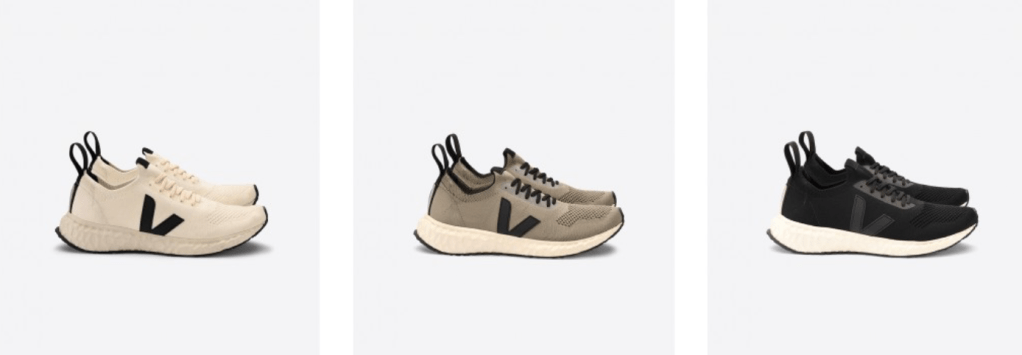
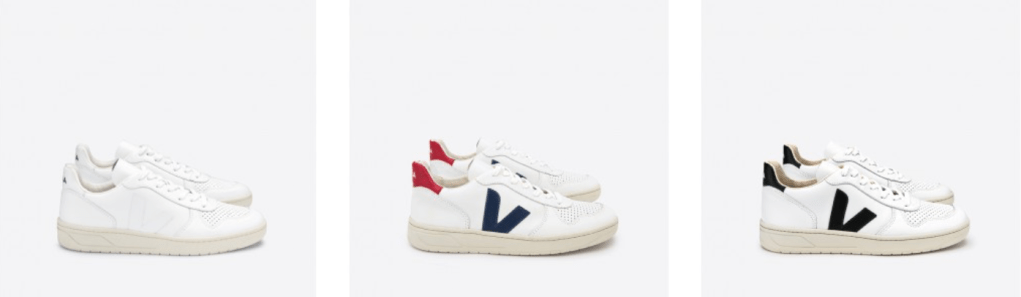
– A French fashion brand whose products are manufactured from raw materials sourced from organic farming avoiding chemicals and polluting processes. Not only are their products made sustainably, they are also made ethically and socially responsibly, with supply chain transparency, which many other companies branding themselves ‘sustainable’ may lack. Veja buy their materials from rubber farmers at a premium fair trade cost, allowing them to live a good life in Brazil. I love Veja even more since listening to their CEO’s Podcast appearance on BOF a few months back, which made me think more in depth about the sustainability and social and economic ethics of the items in my wardrobe. Plus – their trainers are pretty cool and distinctive. They’re a big player in the fashion world.
https://www.veja-store.com/en/
Levi‘s
Perhaps not a brand you’d expect to be in this list, given the high energy resources and chemicals required to manufacture denim. HOWEVER, as such a big player in the denim industry Levi’s have started taking small steps to remove the water required to make a pair of jeans (over 2,000 gallons). With their new Water>Less range, they claim to have cut down water usage by 96%. They also touch on a better quality crop of cotton to benefit farmers and the environment, screening their chemicals, and have intiated a denim recycling project. You can read more about the project on their website.
https://www.levi.com/GB/en_GB/features/sustainability
H & M
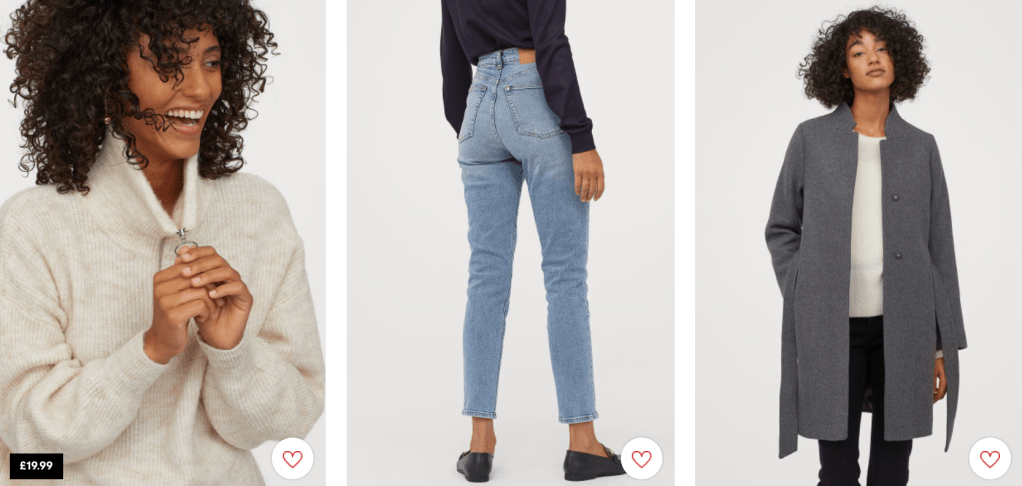
Again, H&M haven’t made the full crossover to sustainability yet, but their new Conscious Range uses methods to make each item in the collection more sustainable. For example, using recycled materials or organic cotton. They’re also a really affordable way to shop more sustainable fashion, and have some great fashion-forward pieces too. One issue with this range however, is that their supply chain is not yet transparent, and so the ethic effect of this range is still to be questioned. Shop the collection here:
https://www2.hm.com/en_gb/ladies/shop-by-concept/conscious-sustainable-style.html
Patagonia
This outdoor brand are well-known for their ethical grounding – with many of their collections Fair Trade recognised, as well as including in their collections products made from recycled materials, a repair service to help you keep your gear for longer, and even a service where you can bring back your pre-loved items in exchange for credit. They have a section on their website for full information about their Sustainability and Ethical Responsibilities.
https://eu.patagonia.com/gb/en/home/
3. Shop Vintage, and donate!
A great way to recycle your unworn pieces is to give them to a charity shop. You’re raising money for charity, reducing waste, and saving money at the same time. I do find these can be best if you live in the city, but you can shop around and find some cool ones near you. There are even some online- so you can shop from the comfort of your home.
What’s more – you can always get experimental with this clothing too, because let’s face it- if something only cost you a couple of £, you’re more likely to want to try customising it! Get out the scissors, sewing machine, and get creative. My favourite pair of summer go-to denim shorts are ex-Levi’s that I got creative with. You could even customise your finds and sell them on to make a profit and send them to a loving home! Your possibilities are endless.
4. Choose quality, timeless pieces over fast-fashion
Invest in trans-seasonal clothes – pieces that are classic, made from quality materials and will stand the test of time. Try to think long-standing products that will last and go together to make lots of outfits you will love across the seasons.
5. Look after your clothes so they last longer
This may sound obvious- but think about how you care for your clothes. Check the washing labels. Hand wash if they’re a little delicate. Don’t wash them after every wear unless they need it – it damages the fabric over time, plus every wash allows more damaging chemicals to seep out into the water damaging the environment.
If you clothes become damaged, consider whether they could be repaired rather than replacing. You could learn to repair and customise yourself, or take them to a seamstress to do it for you. Saves you some money, too!
Happy styling fashion team x
 BEAU MONDE.